
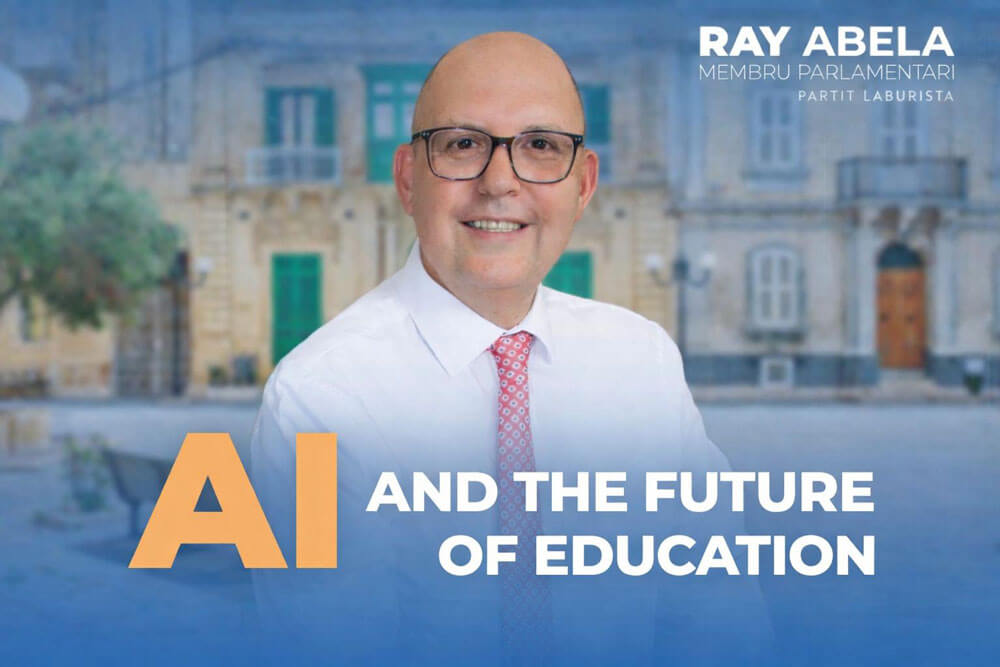
Our education system today stands at an important moment of transformation. Artificial Intelligence is rapidly changing how knowledge is accessed, how skills are developed and how students prepare themselves for the future. As a Member of Parliament, an educator and a father, I feel a strong responsibility to reflect on how we guide this transition for the benefit of our students and our country.
I believe education has always evolved alongside technological progress. From books to computers and from the internet to digital platforms, every generation has adapted the way it learns. Artificial Intelligence represents the next major shift in this journey. It offers powerful tools that can personalise learning, assist teachers and open new ways for students to explore knowledge.
However, I strongly believe that this moment is not simply about introducing new technology into classrooms. It is about how we shape our education system so that it prepares young people not only to use technology but to understand it, question it and apply it responsibly.
I see enormous potential in how Artificial Intelligence can support students. Learning pathways can be adapted to individual needs. Educational content can adjust to each student’s pace and strengths. Teachers can benefit from tools that reduce administrative burdens and allow them to dedicate more time to guiding, mentoring and inspiring their students.
Yet I also believe that while technology can assist learning, it can never replace the human role in education. The guidance of a teacher, the encouragement of a parent and the curiosity of a student remain the true engines of learning.
For this reason, I believe our education system must continue evolving with care and vision. We must ensure that digital literacy, critical thinking and the responsible use of Artificial Intelligence become an integral part of education from secondary level onwards. Our students must learn how to question information, verify what they read and use AI tools wisely rather than simply accepting answers without reflection.
In the years ahead, learning will increasingly become more personalised and supported by technology. Education will move beyond traditional classroom boundaries and lifelong learning will become more important than ever as the world of work continues to change.
For Malta, I see this transformation as a real opportunity. If we invest in skills, empower our educators and prepare our young people for the digital age, we can strengthen our transition towards a knowledge based economy built on quality, innovation and talent.
As a father, I often reflect on the world our children will grow into. It will certainly be more digital, more automated and more interconnected than the world we grew up in. Yet the values that will guide them forward will still be human ones. Curiosity, responsibility, creativity and empathy.
Artificial Intelligence will reshape the way we learn. But I remain convinced that the true strength of education will always lie in the human spirit that drives it.
“I believe technology will transform education, but it will always be human curiosity that shapes the future of learning.”